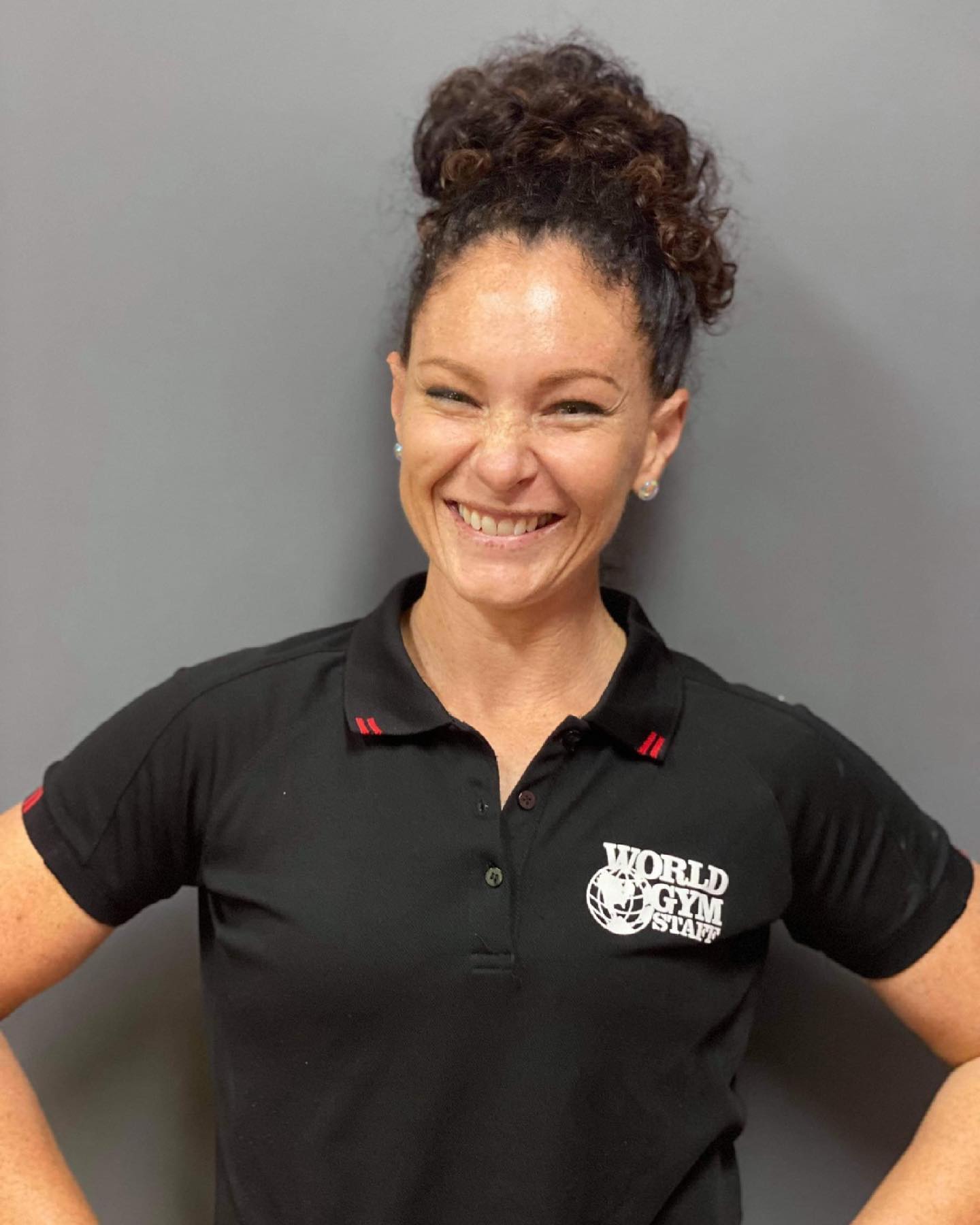


By Ange Smith
WOMENS HEALTH PERSONAL TRAINER | IPSWICH, QLD
Why Living in a Constant Calorie Deficit Isn’t the Answer
For years now, diet culture has told us that “less is more” when it comes to food. Count your calories. Weigh your meals. Track every bite. Sure, that works if you’re stepping on stage for a bodybuilding competition or cutting for a short-term goal. But should you really spend your whole life obsessing over numbers on a food-tracking app? I don’t think so. Food shouldn’t be a math equation 24/7. It shouldn’t be about stress, guilt, or watching every free meal like a hawk. Yes, food today is different than it was years ago — we’re surrounded by processed foods, hidden sugars, and additives in everything from sauces to seasonings. Trust me, I’ve been avoiding sugar for the past five weeks and even something as simple as finding a clean steak topping feels like detective work. But even with that reality, living in a constant calorie deficit isn’t the solution. Because here’s the truth: staying in a deficit for months on end doesn’t just make you lose fat. It affects your body, your hormones, and your mental health — sometimes in ways that make long-term progress even harder.
What Happens When You Stay in a Calorie Deficit Too Long
1. Your metabolism adapts. When you’ve been dieting for 4+ months, your body gets smarter. Your resting metabolic rate slows down, your body burns fewer calories doing the same things, and you may even subconsciously move less (ever feel more sluggish when you diet?). 2. Your hunger hormones fight back. Leptin (the “I’m full” hormone) drops, while ghrelin (the “feed me” hormone) rises. Translation: you’re hungrier, less satisfied, and thinking about food way more often. 3. Stress hormones creep in. Cortisol rises, which can mess with sleep, recovery, and even cause water retention that hides fat loss. 4. Muscle mass can suffer. If you’re not eating enough protein or lifting weights, you don’t just lose fat — you lose muscle, which makes keeping the weight off even harder.
Women: Why the Effects Can Hit Even Harder
For women, long-term dieting in a deficit can impact the endocrine system more dramatically:
The Mental Side of Dieting Too Long
It’s not just physical. Living in a deficit takes a mental toll. Constant tracking, restriction, and the “good food/bad food” mindset can leave you:
That’s no way to live — and honestly, it’s not sustainable.
A Better Approach
If fat loss is your goal, periods of dieting can absolutely be effective. But it’s about phases — not living there forever. Here’s how to make it work without burning yourself out:
And most importantly: remember that calories are just one piece of the puzzle. Building a strong, flexible metabolism, balancing your hormones, and creating a healthy relationship with food matters far more than being in a deficit year-round.
Final Thoughts
At the end of the day, unless you’re chasing a medal or standing on a stage, food tracking and calorie counting shouldn’t be your whole life. Your body isn’t a calculator — it’s an adaptive, intelligent system that needs fuel, balance, and care. Living in a constant calorie deficit might feel like “discipline,” but in reality, it can backfire — physically, hormonally, and mentally. The goal should be health, strength, and freedom with food — not lifelong restriction
Yours In Squats
Ange x